Every so often, a piece of visual culture completely rearranges how I see another.
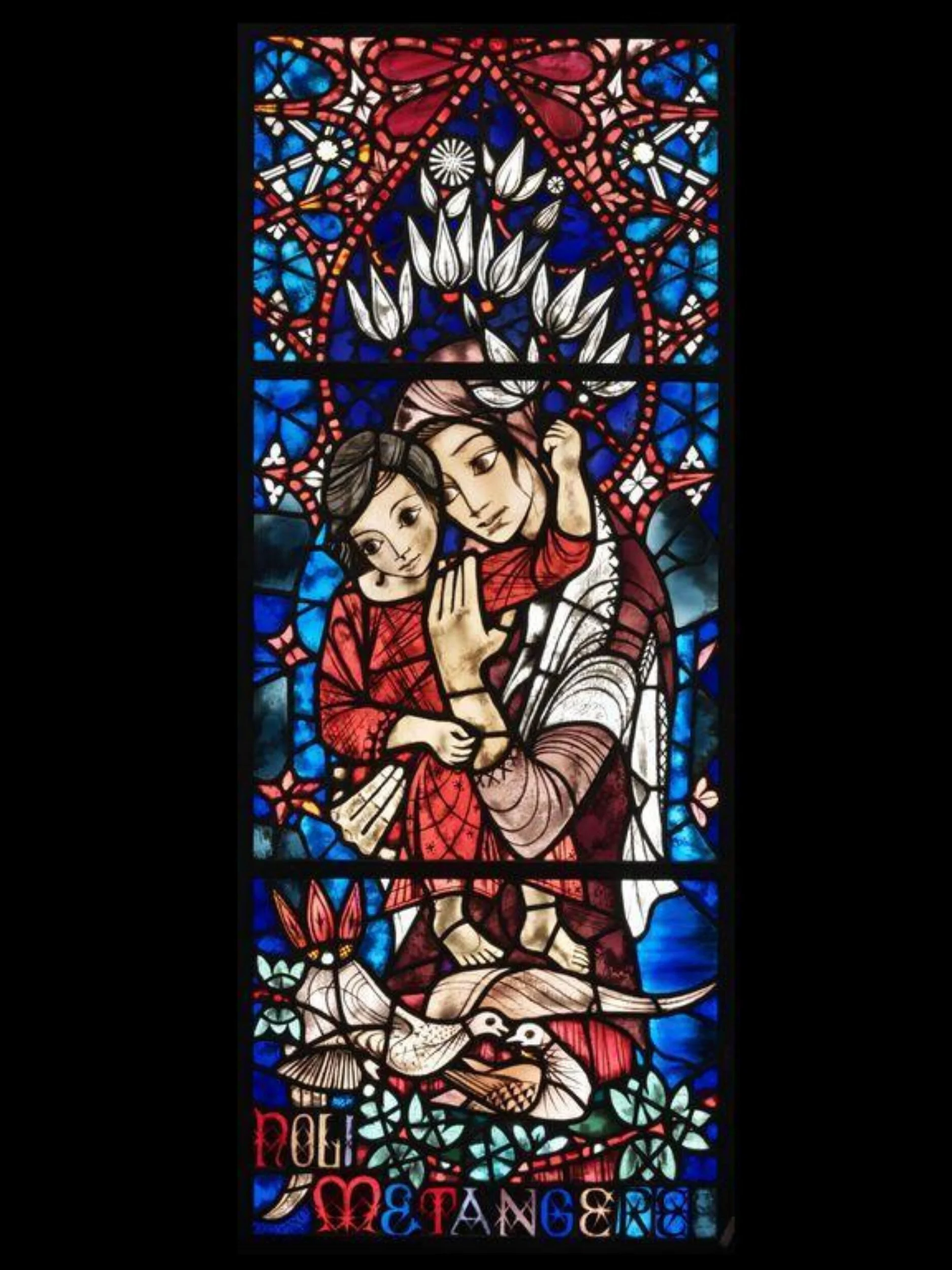
I was visiting Cantebury cathedral, I’ve been living in london for a few years and ventured for a day trip at one of the most famous cathedrals in the country. Lovely walks, daffodils, sun shining, taking photos of the wobbling-into-the-streets medieval houses. I was with my partner. We had been through the whole cathedral slowly noticing all the beautiful details, the fleur-de-lis pattern on the vaulted ceilings that felt remarkably modern. Towards the end of our amble, I stopped at modern stained glass window. It looked like it was stained glass made by Disney. Rounded faces, expressive eyes, theatrical gestures and graphic simplification all felt oddly familiar. A docent noticed my lingering and told me the windows were made by a Hungarian artist, Ervin Bossányi, in 1960 after the originals had been destroyed during World War II. I was so surprised, what I think of as Disney-style is actually hungarian mid-century?
I went down a rabbit hole looking for more. Bossányi wasn't the only Hungarian artist whose work quietly shaped the visual culture of the twentieth century.
Born in Hungary, Ervin Bossányi built an early career in Hamburg, working across painting, murals, ceramics, sculpture and stained glass. After the Nazis came to power, the Jewish artist fled Germany for England in 1934 with his family, where he established himself as one of Britain's leading stained glass artists. His luminous windows, influenced in part by Asian and Indian art, transformed churches and public buildings across Britain and beyond. As The Daily Telegraph later wrote, Bossányi had "brought a flood of colour to the world."
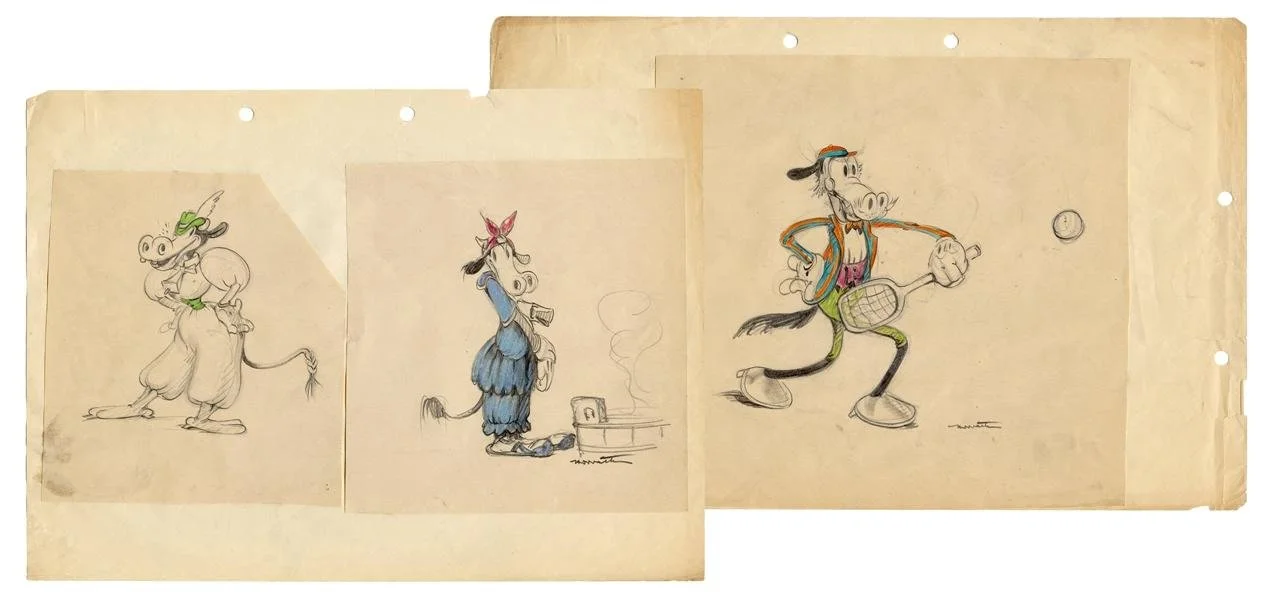
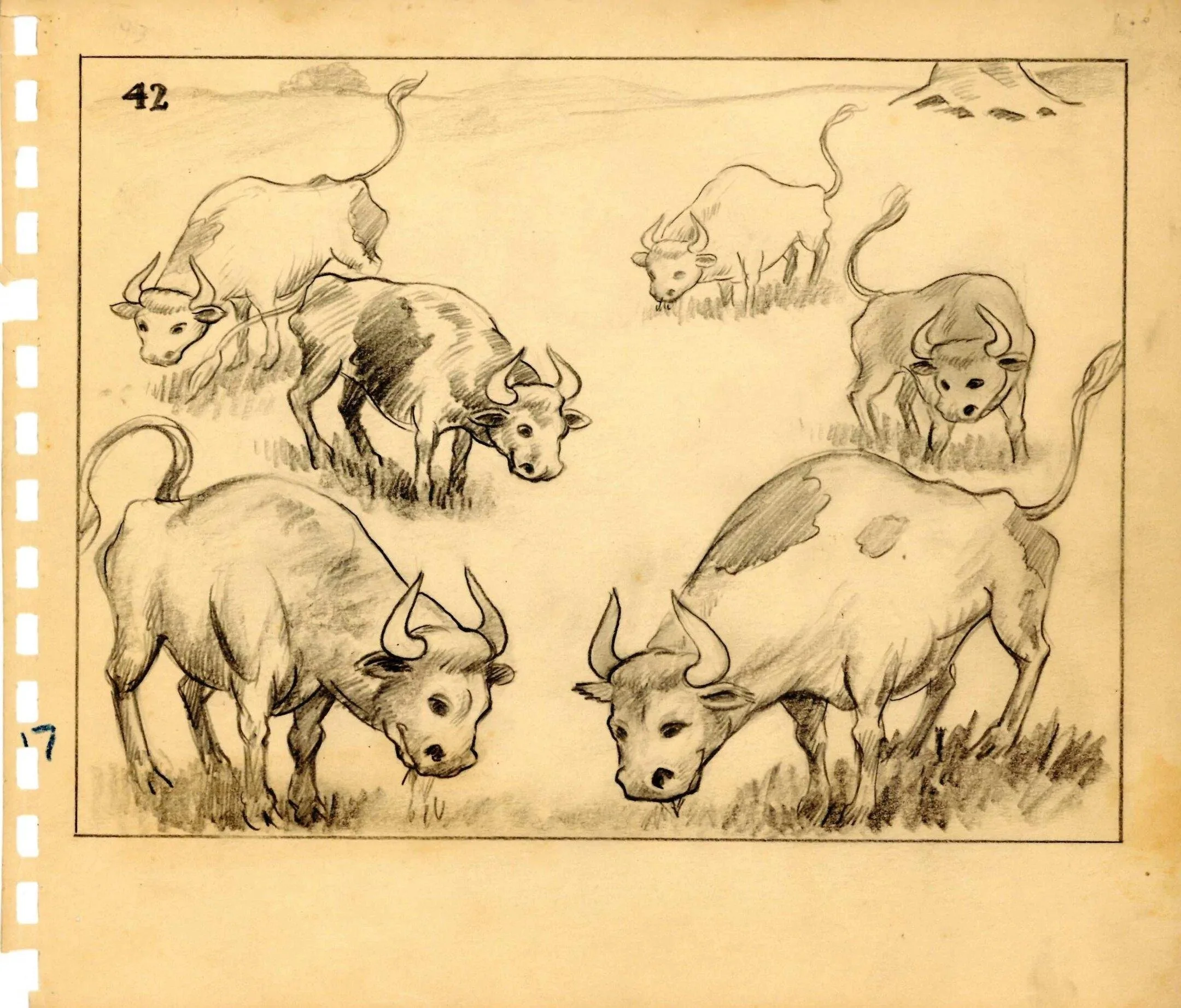
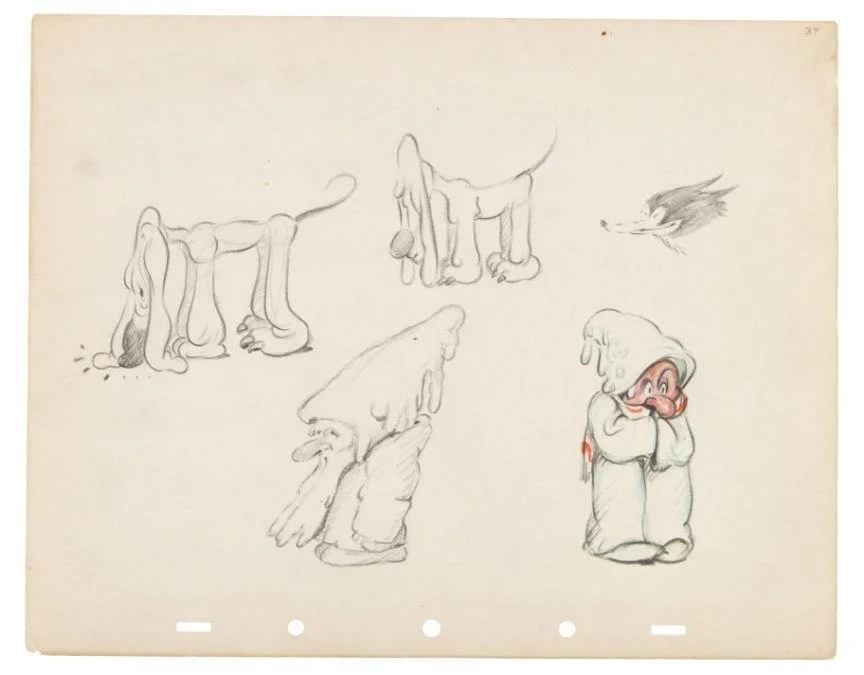
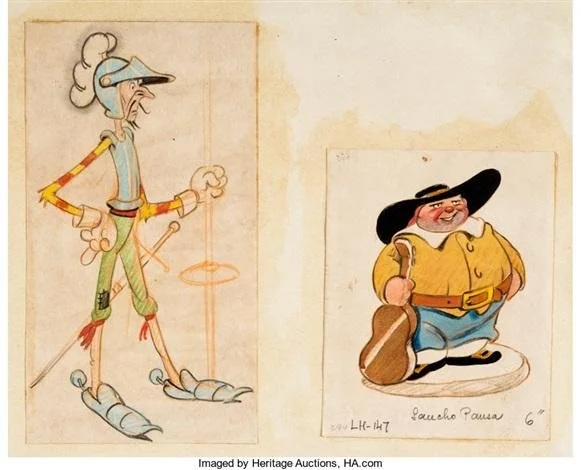
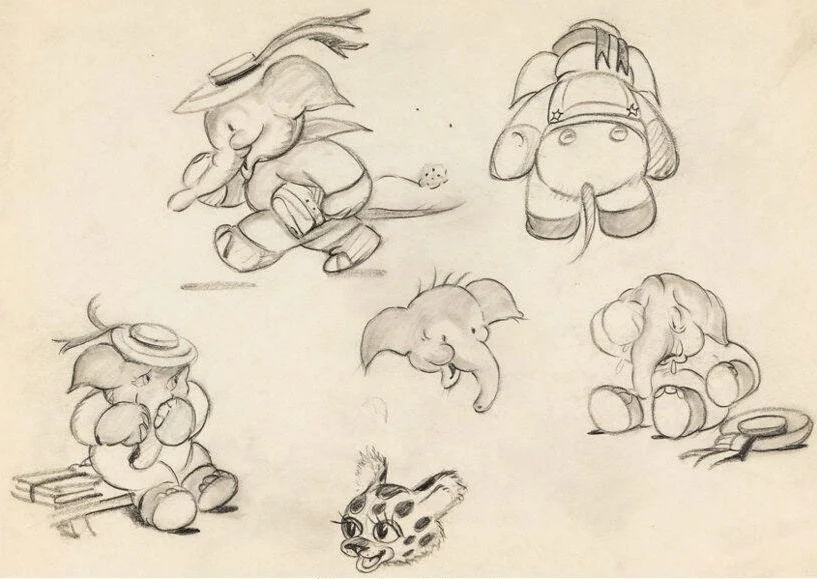
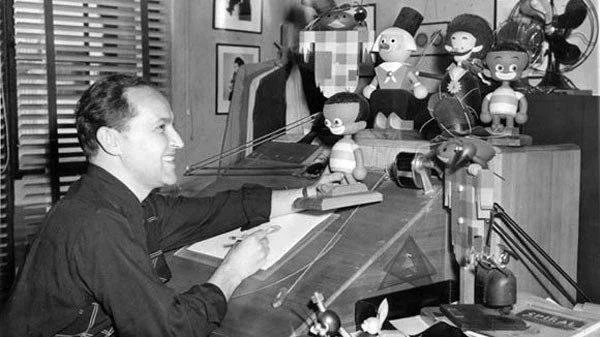
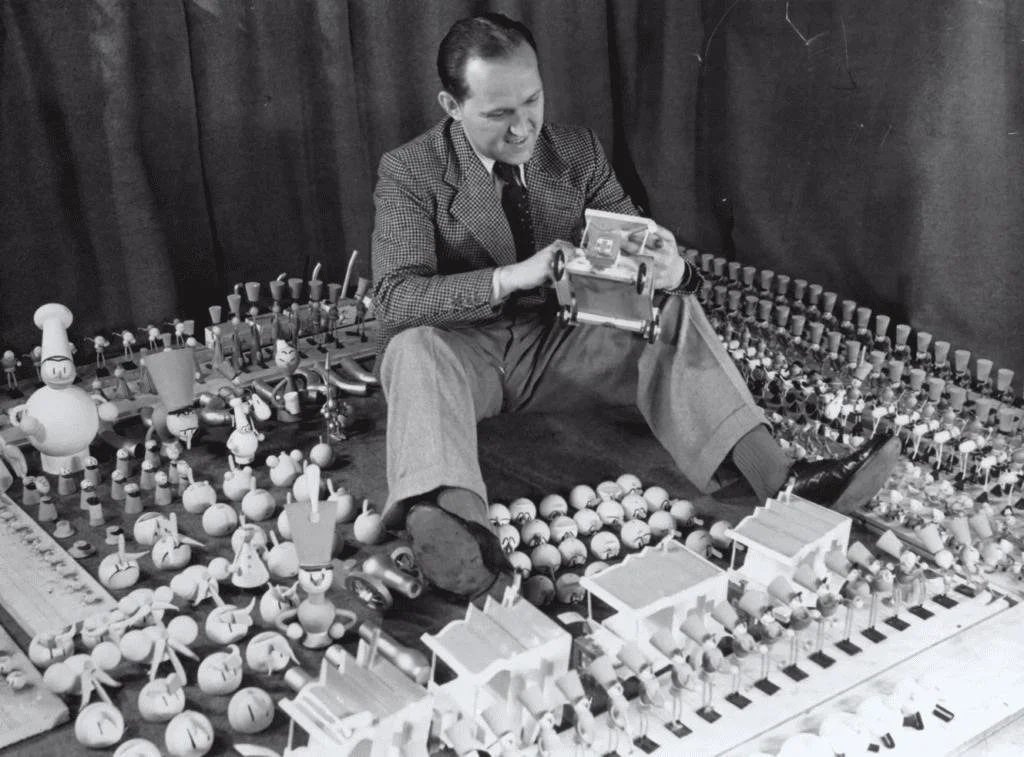
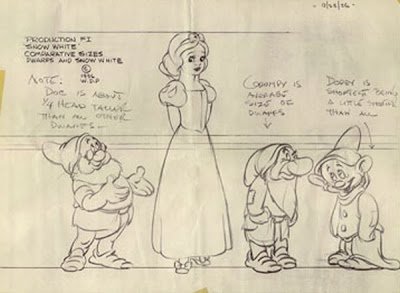
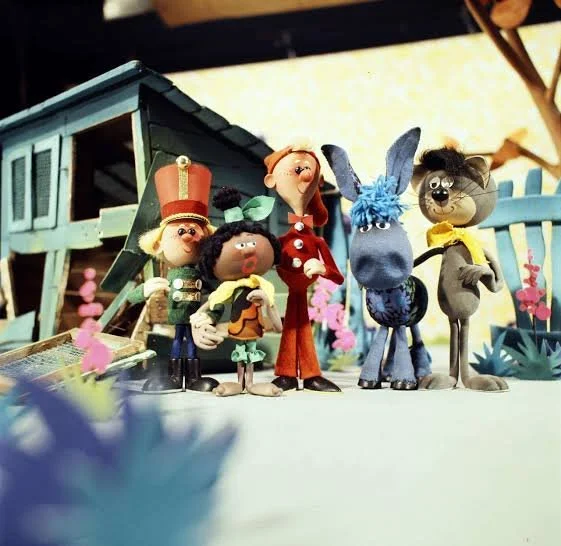
But while Bossányi was rebuilding Britain's churches, other Hungarian artists were reshaping another visual medium. Ferdinand Huszti Horváth arrived at Disney in the early 1930s, contributing story sketches and visual development to Silly Symphonies, Mickey Mouse shorts and the studio's first feature film, Snow White and the Seven Dwarfs. Around the same time, George Pal would become one of Hollywood's great animation pioneers, while John Halas established one of Britain's most influential animation studios. By the late 1970s, Hungary's Pannónia Film Studio ranked alongside Disney, Hanna-Barbera, Toei and Soyuzmultfilm as one of the world's leading animation studios.
None of this means Bossányi inspired Disney. That would be impossible to prove. What it does suggest is that I had mistaken a broader Central European visual language for something uniquely Disney. The rounded faces, expressive gestures and graphic simplification I'd recognised in Canterbury Cathedral belonged to a much larger family of artists whose work crossed borders, media and generations.
As designers, we often talk about originality. We celebrate breakthroughs, pioneers and signature styles. But I'm increasingly convinced that one of the most valuable things we can do is trace our influences backwards, not to find a single origin, but to uncover the hidden networks that produced the images we now take for granted.
Design history isn't a straight line. We inherit visual languages in the same way we inherit spoken ones. By the time we encounter an image, it's already layered with associations built over generations. Looking into the past doesn't just help us understand where our work comes from. It reminds us that every style has a history, and every image has ancestors.
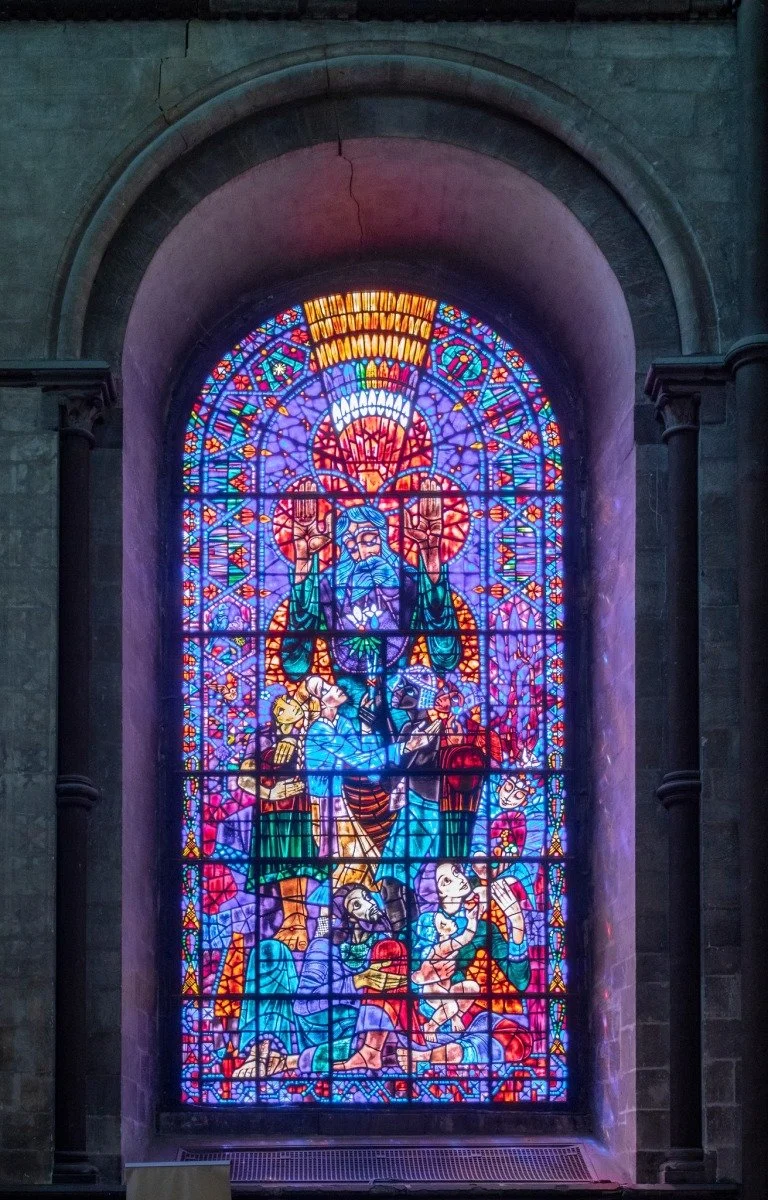
Bossányi Peace Window from Canterbury Cathedral, image from Philip Smitihes